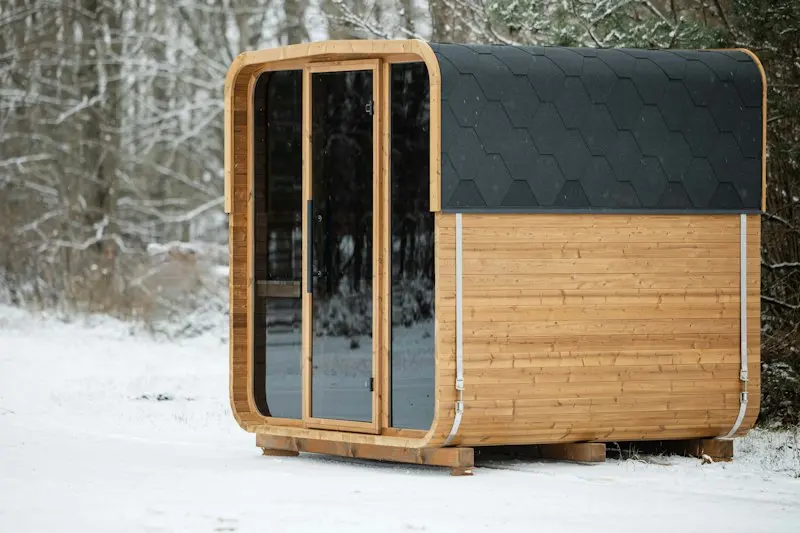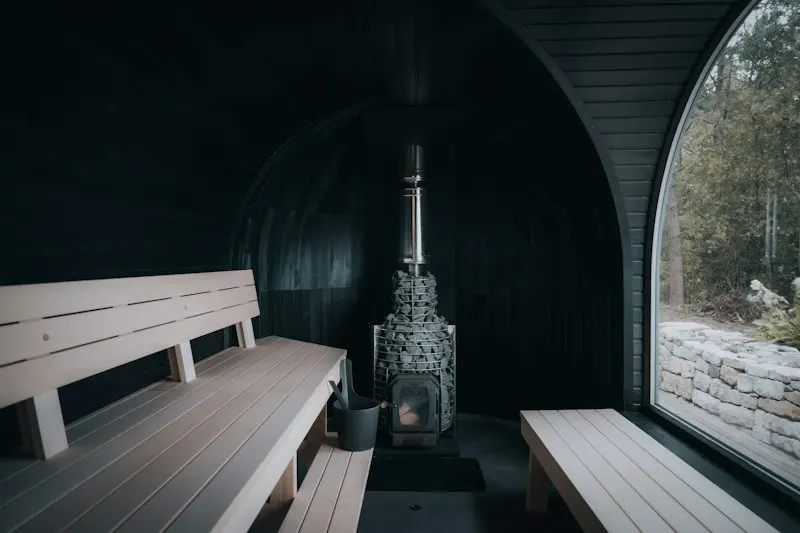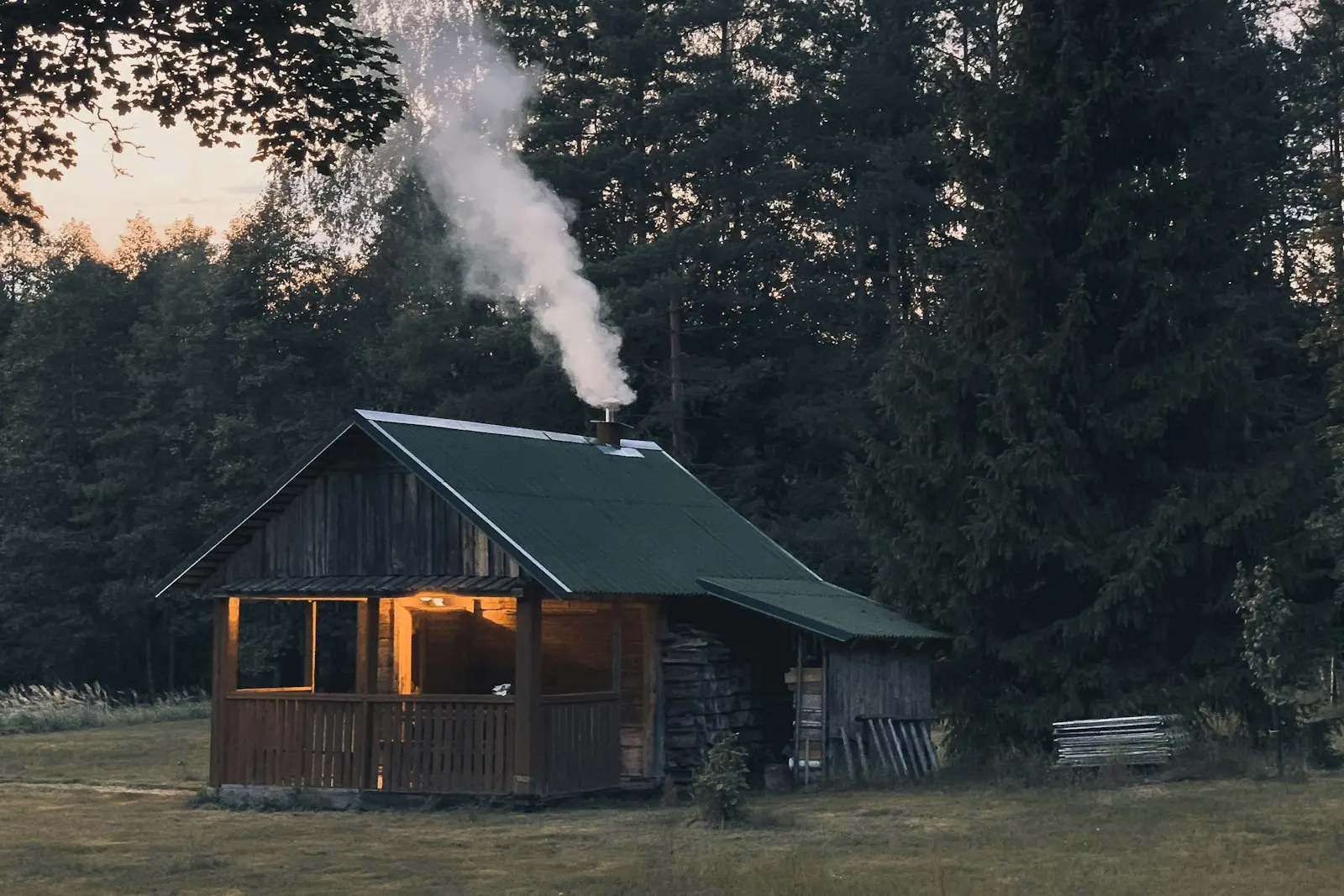
Short answer. It depends on your town. Many places do not require a building permit for a small detached structure under a set floor area, but most require an electrical permit for a new 240 volt circuit. Setbacks, wood stove rules and HOA covenants apply either way. One call to the building department before you order settles it.
Key facts
- Whether an outdoor sauna needs a building permit depends on the town, and small detached accessory structures under a set floor area are exempt in many places.
- Building permit exemptions for small accessory structures commonly fall between about 100 and 200 square feet, and each town sets its own threshold.
- A new 240 volt circuit for an electric sauna heater requires an electrical permit and an inspection in most US towns, even when the sauna building itself needs no permit.
- Zoning setbacks apply to an outdoor sauna even when no building permit is required, and they set the minimum distance from property lines and other structures.
- A homeowners association can require written approval for an outdoor sauna or forbid it, separately from any town permit.
Does an outdoor sauna need a building permit?
Often not for a small kit, but you cannot assume it. Most towns treat a sauna as a detached accessory structure, like a shed, and many exempt small ones from a building permit.
The exemption is usually based on floor area. Thresholds commonly fall between about 100 and 200 square feet, and each town, county or state picks its own. Some places also set a height limit, or require a permit for any structure with electricity, plumbing or a permanent foundation. A few require a permit for every outbuilding.
Most 2 to 4 person kits have a footprint well under 100 square feet. See outdoor sauna sizes for typical dimensions. Being under the threshold removes the building permit in many towns. It does not remove the other rules below.
The checks at a glance
| Check | Who decides | What usually triggers it | What to ask |
|---|---|---|---|
| Building permit | Building department | Floor area or height over the local limit, permanent foundation | Is a detached sauna of this size exempt? |
| Zoning and setbacks | Zoning or planning office | Any structure, permit or not | How far from lot lines, the house and the street? |
| Electrical permit | Building department or electrical inspector | A new circuit for the heater | Who can pull the permit, and what is inspected? |
| Wood stove rules | Building department, fire marshal, air quality agency | A wood burning heater and chimney | Are wood stoves allowed in an outbuilding here? |
| HOA approval | Homeowners association | Any outbuilding, if the covenants say so | Is an application needed, and what are the limits? |
How far from the property line does a sauna have to be?
Your zoning code sets a minimum distance, called a setback. It applies to accessory structures whether or not a building permit is needed.
Setbacks commonly range from a few feet to 10 feet or more from side and rear lot lines. Front yards are often off limits for outbuildings. Other rules can also apply:
- Distance from the house. Some codes set a minimum gap between buildings, mainly for fire safety.
- Easements. Utility and drainage easements usually cannot be built on.
- Lot coverage. Some zones cap the share of the lot that buildings may cover.
- Septic and wells. Keep structures off the septic tank and drain field, and ask about distance from a well.
- Shorelines and wetlands. Lots near water often have extra setbacks.
A property survey or plot plan shows where your lines really are. Fences are not always on the line.
Do you need an electrical permit for a sauna?
In most towns, yes. A new 240 volt circuit for the heater normally requires an electrical permit and an inspection, even where the sauna building is exempt.
The licensed electrician usually pulls the permit. Some towns let homeowners do their own electrical work under a homeowner permit, and others do not. The inspector may look at the trench before it is filled, so do not backfill early. What the circuit involves is covered in outdoor sauna electrical requirements.
What about a wood burning sauna?
A wood stove adds its own layer of rules, and they vary more than any other part. Expect questions on three points.
- Whether wood stoves are allowed. Some towns and air quality districts restrict new wood burning appliances, require approved models or ban burning on poor air quality days.
- How the stove is installed. Inspectors generally look for a stove and chimney installed to the maker's manual: clearances to wood, floor protection and chimney height above the roof.
- Fire season. Dry regions may have extra rules on spark arrestors and seasonal burn bans.
Tell your home insurer as well. We compare the two heater types in wood burning vs electric sauna heater.
HOA rules
A homeowners association is a private agreement, separate from town law. A town permit does not override it, and HOA approval does not replace a town permit.
Read the covenants for the words "outbuilding," "accessory structure" and "architectural review." Common limits cover size, height, placement, exterior color and visibility from the street. Send the application before you pay for the kit, and keep the written approval.
How to find out in one call
Call or email the building department. Many answer simple questions the same day. Have these details ready:
- Your address and zoning district, if you know it.
- The outside length, width and height of the sauna, from the spec sheet.
- The type of base: gravel pad, pavers, slab or deck. Options are compared in outdoor sauna foundation.
- The heater type: electric, with its kW, or wood burning.
- Where it would sit, with rough distances to lot lines and the house.
Ask for the answer in writing, or note the name of the person and the date. If a permit is needed, ask what drawings they want. A site sketch and the maker's spec sheet are often enough for a small kit.
What if you skip the permit?
If a permit was required, the town can order you to apply after the fact, pay a fee or penalty, or move the structure. Unpermitted work can also come up when you sell the house or file an insurance claim. Checking first costs a phone call.
This page describes common patterns, not the law where you live. Rules differ by town, county and state and change over time. Your local building department is the only reliable source.
Common questions
Do you need a permit for an outdoor sauna?
Sometimes. Many towns exempt small detached structures under a set floor area from a building permit, but an electrical permit for the heater circuit is commonly required. Call your local building department with the size, height and heater type before you order.
How close to the property line can I put a sauna?
It depends on your zoning. Towns set a minimum distance, called a setback, from side and rear property lines, and often from the house. Distances of a few feet to 10 feet or more are common. Ask your zoning office for the figure for accessory structures on your lot.
Do I need a permit for a barrel sauna?
A barrel sauna is treated like any other small accessory structure. Its footprint is often under the local exemption size, so the building permit may not apply, but the electrical permit and the setbacks usually still do.
Do I need an electrical permit for a sauna?
In most towns, yes. Adding a new 240 volt circuit normally requires an electrical permit and an inspection. A licensed electrician usually pulls the permit as part of the job.
Can an HOA stop me from installing a sauna?
It can, if the covenants restrict outbuildings. Many associations require an application with a site plan, and some limit size, height, colors or wood smoke. Get approval in writing before you order.